
Unhealthy & Healthy Anxiety
What is Unhealthy Anxiety?
Unhealthy anxiety is when a person’s thoughts become debilitating. It is when a person feels threatened. It can hinder your social interactions, your work performance and interactions and your daily tasks. Rumination is when people get stuck in their thoughts and ruminate over what they did or should have done. For example, I have a client that ruminates about her upbringing and telling herself and me that her mother was not mothering/ neglectful, therefore it is hard for her to believe in herself and her ability to move forward in life. She finds it a challenge to let it go. A person’s circumstances and experiences have a huge part to play in how they see the world and how they navigate it.
When people ruminate, they can isolate themselves. They find it a challenge to stop thinking the same negative thoughts and they think they can’t get out of what is happening for them. Through COVID is when it heightened greatly. It became a sense of helplessness. This was heartbreaking to watch and listen to through sessions.
Unhealthy anxiety can be categorized into several anxiety disorders, including:
Generalized Anxiety Disorder (GAD): Characterized by excessive, uncontrollable worry about various aspects of life.
Panic Disorder: Involves recurrent panic attacks, which are sudden periods of intense fear and physical symptoms.
Social Anxiety Disorder: Intense fear of social situations and being judged or embarrassed in front of others.
Specific Phobias: Excessive fear of a specific object, situation, or activity.
Obsessive-Compulsive Disorder (OCD):Involves persistent, unwanted thoughts (obsessions) and repetitive behaviors (compulsions) performed to reduce anxiety.
Post-Traumatic Stress Disorder (PTSD): Anxiety and flashbacks triggered by experiencing or witnessing a traumatic event.
When to Seek Help
If you or someone you know is experiencing unhealthy anxiety, it’s important to seek professional help. Consider reaching out to a mental health professional if:
Anxiety is interfering with daily life and functioning.
Avoidance behaviors are limiting your activities and social interactions.
Physical symptoms of anxiety are persistent and distressing.
Intrusive thoughts and excessive worry are difficult to control.
There is a significant impact on work, school, or relationships.
Unhealthy anxiety is a serious condition that goes beyond normal, situational anxiety. It involves excessive worry, chronic symptoms, physical manifestations, and impaired functioning. Recognizing the signs of unhealthy anxiety and seeking professional help can lead to effective management and improved quality of life. Remember, it’s important to address anxiety early to prevent it from becoming more severe and disruptive.
What is Healthy Anxiety?
Anxiety drives us to become motivated and get things done! When a person worries about something, they can have this feeling and it can take up to 60 minutes to pass. (Psychology Today)
For example, one of my clients is studying biology and the day before, she says to herself, “Maybe I don’t know enough”, “I need to study more or learn more.”
I use a modality called Cognitive Behavioral Therapy, to look at her thoughts, feelings and behaviors on this topic. Something I asked her was “How do you know this is true for you? And What is the proof and disproof of your thoughts on this?
When we explore these areas, she slowly looks at and gains perspective that she is only having self-doubts about this exam. Her proof has been that she passed and did well on her exam and she couldn’t find any disproof. As a result, her anxiety passed within minutes.
Anxiety is a universal experience that everyone encounters at various points in their lives. It is a normal and often necessary response to uncertainty, challenges, and potential threats. Far from being inherently negative, anxiety can play a crucial role in keeping us motivated, alert, and aware of our surroundings.
Here are some ways to embrace anxiety and manage it:
Acknowledge Your Anxiety: Accept that feeling anxious is a natural response to certain situations. Acknowledge your anxiety without judgement and remind yourself that it is a temporary state.
Use Anxiety as a Tool: Channel your anxious energy into productive activities. Use it as a signal to prepare, plan, and act. For example, if you’re anxious about a project at work, break it down into smaller tasks and start tackling them one by one.
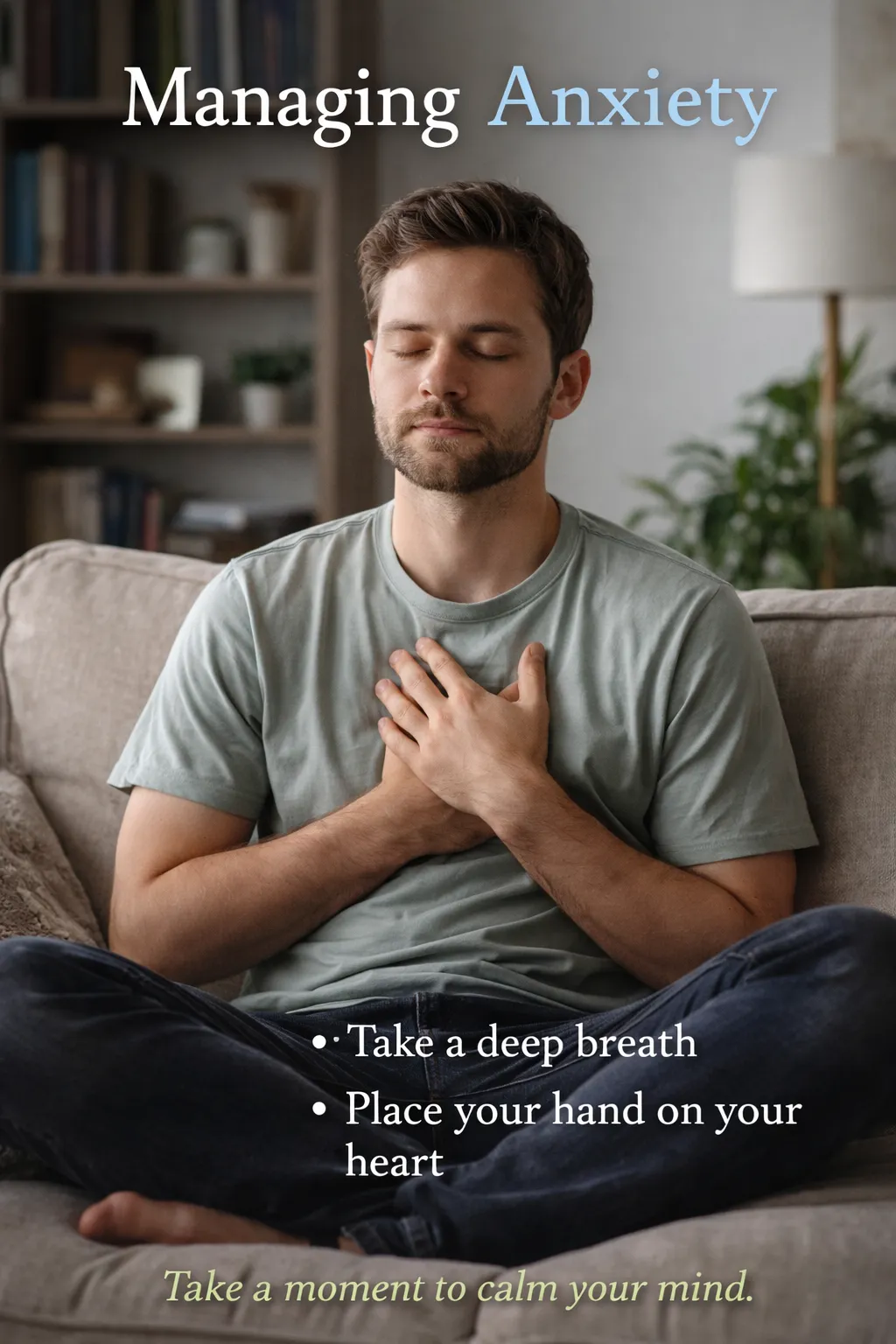
Practice Self-Care: Engage in self-care practices that help manage anxiety levels, such as regular exercise, healthy eating, adequate sleep, and mindfulness techniques.
Seek Support: If your anxiety feels overwhelming or persistent, consider talking to a friend, family member, or mental health professional. Sometimes sharing your concerns and getting an outside perspective can be incredibly helpful.
“Yes, things could go abominably wrong in a heartbeat, but most likely, that won’t happen. Instead of stewing in rumination, healthy anxious people focus on solutions. (Psychology Today, 2020)
Remember, it’s perfectly normal to feel anxious in certain situations. Rather than viewing anxiety as purely negative, recognize its role in helping you stay motivated and prepared.